Creating an inviting and functional workspace at home is essential for maintaining productivity and comfort, especially as more people embrace remote work. Whether you have a dedicated room or a small corner, thoughtful setup can make a big difference in how you feel and perform during work hours. Here are some helpful tips to design a home office that supports your focus and well-being.
Choose the Right Location
Finding the perfect spot for your workspace is the first step. Ideally, select an area with minimal distractions and sufficient natural light. If possible, avoid placing your desk in high-traffic zones like the living room or kitchen, as these tend to be noisier and less private.
Benefits of Natural Light
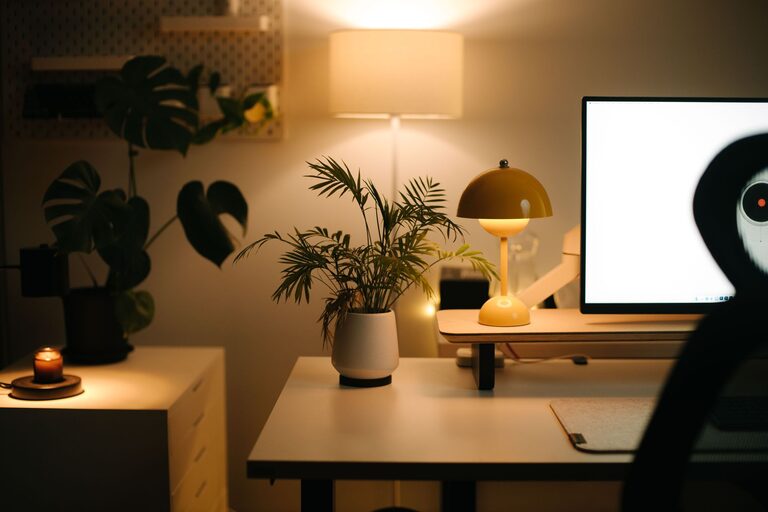
Daylight boosts mood and energy levels, so position your desk near a window. Natural light also reduces eye strain. If natural light is limited, invest in quality desk lamps with adjustable brightness to create a comfortable environment.
Invest in Ergonomic Furniture
Comfort plays a crucial role in maintaining productivity and preventing physical strain during long work hours.
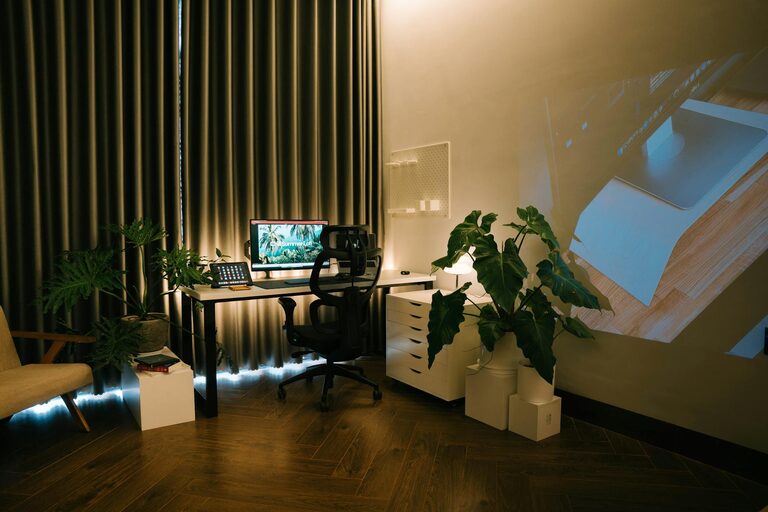
– Ergonomic Chair: Choose a chair with adjustable height, lumbar support, and comfortable padding.
– Desk Height: Your desk should allow your arms to rest at a 90-degree angle when typing.
– Monitor Position: Place your computer screen at eye level, about an arm’s length away, to reduce neck and eye strain.
Organize to Optimize Efficiency
A clutter-free workspace helps you stay focused and reduces stress. Use storage solutions to keep essentials within easy reach but out of sight when not needed.
– Drawer Organizers: Separate pens, paperclips, and other small items.
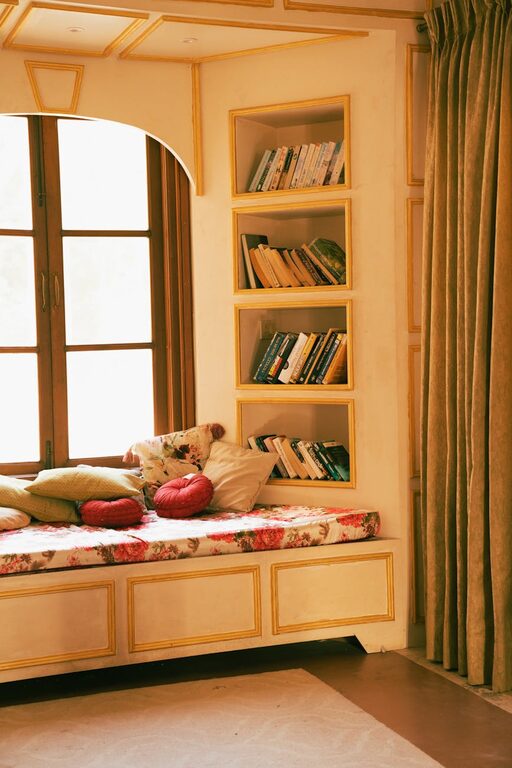
– Shelves: Keep books and binders neatly arranged.
– Cable Management: Use clips or sleeves to keep cords tidy and prevent tangling.
Personalize Your Workspace
Adding personal touches can make your work area more inviting and motivating. Examples include:
– A few framed photos or artwork
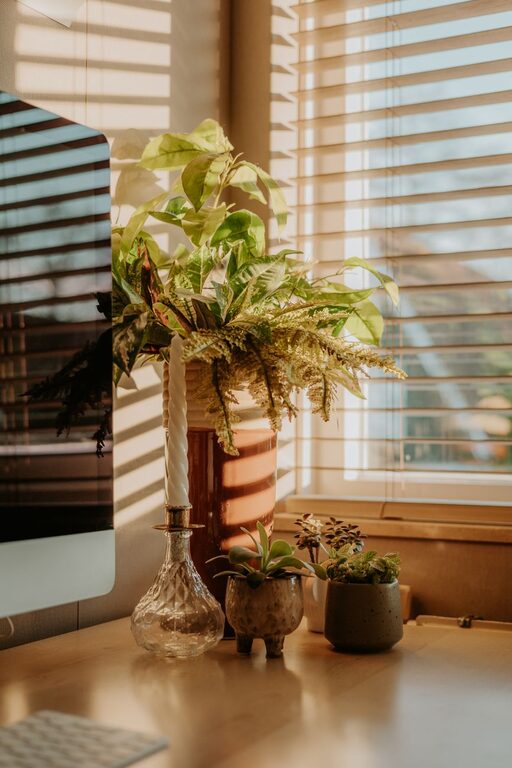
– Small plants that improve air quality and bring a bit of nature indoors
– A calendar or planner with inspiring designs
Just be careful to avoid overdecorating, as too much visual clutter can be distracting.
Control Lighting and Ambience
Beyond natural light, consider the overall lighting and atmosphere of your workspace.
– Use a combination of overhead and task lighting for balanced illumination.
– Select soft, warm light bulbs to create a cozy feel.
– Add a diffuser or scented candle with subtle fragrances like lavender to help reduce stress.
Maintain a Consistent Routine
A well-designed workspace is only effective if used consistently. Establish routines to separate work from personal life.
– Set specific working hours.
– Take regular short breaks to stretch and rest your eyes.
– Keep your workspace clean at the end of each day to prepare for tomorrow.
Use Technology Wisely
Equip your workspace with the right tools to enhance your productivity.
– High-speed internet connection
– Noise-cancelling headphones to minimize distractions
– External keyboard and mouse for ergonomic comfort
Consider Acoustics
If background noise is an issue, think about how to improve acoustics.
– Use rugs or curtains to absorb sound.
– Consider soundproofing panels if noise is persistent.
– Play soft ambient music or white noise to mask distracting sounds.
Final Thoughts
Creating an inviting and functional home workspace doesn’t mean spending a fortune. With careful planning and thoughtful details, you can design an area that supports your productivity, promotes comfort, and inspires motivation daily. Start small and adjust your setup over time based on what works best for you. Your ideal workspace is one that fits your unique needs and helps you thrive.